Buy badmöbel.eu ?
We are moving the project
badmöbel.eu .
Are you interested in purchasing the domain
badmöbel.eu ?
domain@kv-gmbh.de · 0541-91531010
Buy badmöbel.eu ?
What happened to Yugoslavia?
Yugoslavia was a country in Southeast Europe that existed from 1918 to 2003. It was formed after World War I and consisted of several different ethnic groups, including Serbs, Croats, and Bosniaks. However, ethnic tensions and political conflicts eventually led to the breakup of Yugoslavia in the 1990s. This breakup resulted in a series of violent conflicts, including the Bosnian War and the Kosovo War. By 2003, the remaining parts of Yugoslavia had all become independent nations, including Serbia, Croatia, Bosnia and Herzegovina, Montenegro, North Macedonia, and Slovenia. **
Was Yugoslavia a democracy?
Yugoslavia was officially a socialist federal republic, and its political system was based on the principles of self-management and workers' councils. While it had elements of a multi-party system and periodic elections, the Communist Party held a dominant position in the government and society. This limited the true democratic nature of the country, as the ruling party had significant control over political and social life. Therefore, while Yugoslavia had some democratic features, it did not fully function as a liberal democracy. **
Similar search terms for Yugoslavia
Top-Angebote
Products related to Yugoslavia:
-
AISWORD "36"" Freestanding Bathroom Vanity, Storage Cabinet with Soft Closed Doors -Excluding Sink"[Atmospheric Appearance]: The thick planks and Minimalist appearance make your bathroom look more upscale. [Ample Storage Space]: This bathroom vanity is a double door cabinet that keeps your bathroom products away from moisture and dust.461,99 $*Shipping: 0,00 $Secure redirect to the provider
-
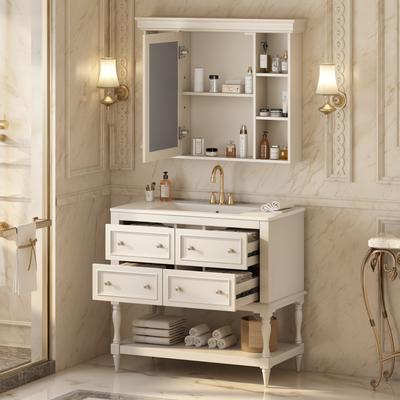
VIVIADORE "36"" Bathroom Vanity with Ceramic Sink, Solid Wood Frame Cabinet, 3 Drawers, Soft-Close Doors, Freestanding Storage Vanity"Upgrade your bathroom with this 36-inch modern vanity featuring a solid wood frame, durable MDF construction, and a smooth ceramic sink.604,49 $*Shipping: 0,00 $Secure redirect to the provider
-
GREATPLANINC Floating Vanity Bathroom with Sink, Solid Wood Bathroom Storage Cabinet, Wall Mounted Bathroom Vanity with 2 Doors & 2 DrawersUpgrade your bathroom with this 36-inch wall-mounted vanity, featuring a striking patterned design that adds visual depth and sophistication under ambient lighting.626,49 $*Shipping: 0,00 $Secure redirect to the provider
-
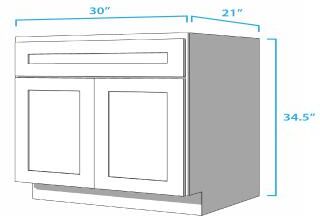
Craftline RTA Husk Shaker Bathroom Sink Base Vanity Cabinet Sink Base Vanity Cabinet - 30 Inch x 21 Inch x 34-1/2 Inch - HuskThe Craftline RTA Bathroom Sink Base Cabinet brings timeless design and dependable quality to your bathroom. Crafted from all-wood materials this ready-to-assemble (RTA) vanity offers long-lasting durability with face-framed construction and full...87,09 $*Shipping: 0,00 $Secure redirect to the provider


-
What is Yugoslavia called today?
Yugoslavia is no longer a country. It dissolved in the early 1990s due to ethnic conflicts and is now split into several independent countries. These countries include Serbia, Croatia, Slovenia, Bosnia and Herzegovina, Montenegro, Kosovo, and North Macedonia. **
-
How would Yugoslavia look like today?
It is difficult to predict exactly how Yugoslavia would look like today as there are many factors to consider. However, it is possible that the country would have faced challenges due to its diverse ethnic and religious makeup. There may have been ongoing tensions between different groups, potentially leading to political instability and conflict. On the other hand, if the country had managed to maintain unity and stability, it could have been a strong player in the region with a diverse and vibrant culture. **
-
Which language was spoken in Yugoslavia?
The main language spoken in Yugoslavia was Serbo-Croatian, which is a South Slavic language. This language was a combination of Serbian and Croatian dialects and was used as the official language of the country. Other languages spoken in Yugoslavia included Slovenian, Macedonian, and Albanian, reflecting the diverse ethnic makeup of the country. **
-
Is Yugoslavia a world power today?
No, Yugoslavia is not a world power today. In fact, Yugoslavia as a political entity ceased to exist in the 1990s, breaking up into several independent countries including Serbia, Croatia, Bosnia and Herzegovina, Montenegro, North Macedonia, and Slovenia. These individual countries do not hold the same level of global influence or power as the former Yugoslavia once did. Therefore, Yugoslavia is not a world power today. **


What is the problem regarding Yugoslavia?
The problem regarding Yugoslavia is the ongoing ethnic and political tensions that have persisted since the breakup of the country in the 1990s. The region has experienced violent conflicts and wars, resulting in the loss of thousands of lives and the displacement of millions of people. The unresolved issues of ethnic nationalism, territorial disputes, and political instability continue to hinder the progress and stability of the region. Additionally, the lack of reconciliation and accountability for war crimes and human rights abuses further complicates efforts to achieve lasting peace and stability in the former Yugoslav states. **
Why does Yugoslavia no longer exist?
Yugoslavia no longer exists due to a combination of factors, including ethnic and nationalist tensions, economic difficulties, and the collapse of communism. The country was made up of multiple ethnic groups, including Serbs, Croats, and Bosnians, which led to internal conflicts and eventually the breakup of the country. Additionally, the fall of communism in Eastern Europe and the economic struggles that followed contributed to the disintegration of Yugoslavia. Ultimately, these factors led to the secession of various republics and the eventual dissolution of the country. **
Top-Angebote
Products related to Yugoslavia:
-
GDFStudio - Marquette Luxury Bathroom Vanity Set with Ceramic Sink, Mirror Medicine Cabinet and 4 Storage Drawers - 36'WThis luxury bathroom vanity set combines a solid ceramic sink, a freestanding storage cabinet, and a matching wall-mounted medicine cabinet for a complete, coordinated upgrade.733,10 $*Shipping: 0,00 $Secure redirect to the provider
-
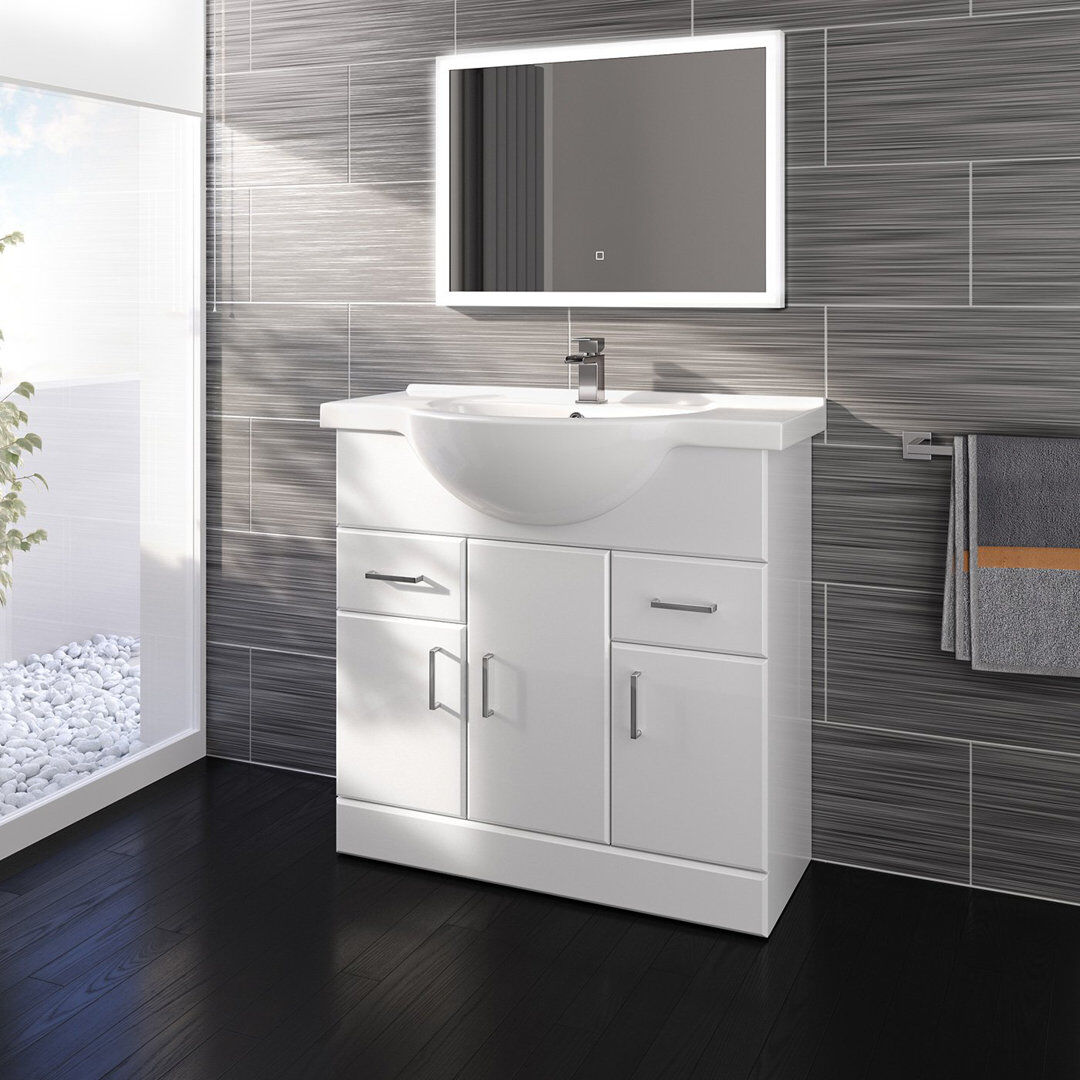
iBathUK 850mm White Gloss Basin Vanity Cabinet Bathroom Storage Furniture Sink UnitAdd smart storage and sleek style to your bathroom with the Quartz 850mm White Gloss Basin Vanity Cabinet, a modern furniture unit designed to enhance both function and aesthetics. Perfect for medium to small bathrooms, en-suites, or cloakrooms, this all-in-one sink vanity unit offers clean lines, generous space, and everyday convenience. The unit features a high-quality ceramic basin with a single tap hole, ideal for pairing with your favourite mixer tap. Its integrated design sits seamlessly atop the cabinet, offering a compact and tidy solution for washing up without compromising on style. The gloss white cabinet is equipped with two soft-close doors that open to reveal ample storage for toiletries, cleaning products, and other essentials, helping reduce clutter around your vanity unit in bathroom spaces and keeping your bathroom organised and effortlessly stylish. Crafted from durable moisture-resistant materials, the unit is built to withstand the demands of everyday bathroom use. The smooth, high-gloss finish not only reflects light beautifully but also makes cleaning quick and easy, ideal for modern bathroom vanity units. Key Features: 1. 850mm Vanity Unit with Basin – Compact yet spacious design suitable for a range of bathroom sizes. 2. Gloss White Finish – Bright, clean look that complements both modern and traditional bathroom styles. 3. Integrated Ceramic Basin – Durable and easy to maintain, with a single tap hole and overflow. 4. Soft-Close Doors – Quiet and smooth closing mechanism that adds a touch of luxury. 5. Ample Storage Space – Internal shelving keeps your bathroom essentials neatly organised. The Quartz 850mm Vanity Unit is the perfect choice for those seeking a stylish and practical upgrade, combining smart storage with a clean, contemporary finish and the lasting appeal of high-quality vanity units and vanity unit with basin designs. Brand Name: iBathUK.359,99 £*Shipping: 0,00 £Secure redirect to the provider
-
AISWORD "36"" Freestanding Bathroom Vanity, Storage Cabinet with Soft Closed Doors -Excluding Sink"[Atmospheric Appearance]: The thick planks and Minimalist appearance make your bathroom look more upscale. [Ample Storage Space]: This bathroom vanity is a double door cabinet that keeps your bathroom products away from moisture and dust.461,99 $*Shipping: 0,00 $Secure redirect to the provider
-
VIVIADORE "36"" Bathroom Vanity with Ceramic Sink, Solid Wood Frame Cabinet, 3 Drawers, Soft-Close Doors, Freestanding Storage Vanity"Upgrade your bathroom with this 36-inch modern vanity featuring a solid wood frame, durable MDF construction, and a smooth ceramic sink.604,49 $*Shipping: 0,00 $Secure redirect to the provider
-
What happened to Yugoslavia?
Yugoslavia was a country in Southeast Europe that existed from 1918 to 2003. It was formed after World War I and consisted of several different ethnic groups, including Serbs, Croats, and Bosniaks. However, ethnic tensions and political conflicts eventually led to the breakup of Yugoslavia in the 1990s. This breakup resulted in a series of violent conflicts, including the Bosnian War and the Kosovo War. By 2003, the remaining parts of Yugoslavia had all become independent nations, including Serbia, Croatia, Bosnia and Herzegovina, Montenegro, North Macedonia, and Slovenia. **
-
Was Yugoslavia a democracy?
Yugoslavia was officially a socialist federal republic, and its political system was based on the principles of self-management and workers' councils. While it had elements of a multi-party system and periodic elections, the Communist Party held a dominant position in the government and society. This limited the true democratic nature of the country, as the ruling party had significant control over political and social life. Therefore, while Yugoslavia had some democratic features, it did not fully function as a liberal democracy. **
-
What is Yugoslavia called today?
Yugoslavia is no longer a country. It dissolved in the early 1990s due to ethnic conflicts and is now split into several independent countries. These countries include Serbia, Croatia, Slovenia, Bosnia and Herzegovina, Montenegro, Kosovo, and North Macedonia. **
-
How would Yugoslavia look like today?
It is difficult to predict exactly how Yugoslavia would look like today as there are many factors to consider. However, it is possible that the country would have faced challenges due to its diverse ethnic and religious makeup. There may have been ongoing tensions between different groups, potentially leading to political instability and conflict. On the other hand, if the country had managed to maintain unity and stability, it could have been a strong player in the region with a diverse and vibrant culture. **
Similar search terms for Yugoslavia
-
GREATPLANINC Floating Vanity Bathroom with Sink, Solid Wood Bathroom Storage Cabinet, Wall Mounted Bathroom Vanity with 2 Doors & 2 DrawersUpgrade your bathroom with this 36-inch wall-mounted vanity, featuring a striking patterned design that adds visual depth and sophistication under ambient lighting.626,49 $*Shipping: 0,00 $Secure redirect to the provider
-
Craftline RTA Husk Shaker Bathroom Sink Base Vanity Cabinet Sink Base Vanity Cabinet - 30 Inch x 21 Inch x 34-1/2 Inch - HuskThe Craftline RTA Bathroom Sink Base Cabinet brings timeless design and dependable quality to your bathroom. Crafted from all-wood materials this ready-to-assemble (RTA) vanity offers long-lasting durability with face-framed construction and full...87,09 $*Shipping: 0,00 $Secure redirect to the provider
-
Craftline RTA Molasses Shaker Bathroom Sink Base Vanity Cabinet Sink Base Vanity Cabinet - 30 Inch x 21 Inch x 34-1/2 Inch - MolassesThe Craftline RTA Molasses Shaker Sink Base Vanity Cabinet blends classic elegance with everyday functionality making it a standout choice for bathroom remodels. Constructed from solid all-wood materials this ready-to-assemble (RTA) vanity offers...88,47 $*Shipping: 0,00 $Secure redirect to the provider
-
CARMORICO "24"" Bathroom Vanity with 2 Doors and Tip-Out Drawer - Bathroom Storage Cabinet with Sink"Features Timeless Design for Every Home: This bathroom vanity combines classic simplicity with versatile elegance, making it suitable for various home styles.485,99 $*Shipping: 0,00 $Secure redirect to the provider
-
Which language was spoken in Yugoslavia?
The main language spoken in Yugoslavia was Serbo-Croatian, which is a South Slavic language. This language was a combination of Serbian and Croatian dialects and was used as the official language of the country. Other languages spoken in Yugoslavia included Slovenian, Macedonian, and Albanian, reflecting the diverse ethnic makeup of the country. **
-
Is Yugoslavia a world power today?
No, Yugoslavia is not a world power today. In fact, Yugoslavia as a political entity ceased to exist in the 1990s, breaking up into several independent countries including Serbia, Croatia, Bosnia and Herzegovina, Montenegro, North Macedonia, and Slovenia. These individual countries do not hold the same level of global influence or power as the former Yugoslavia once did. Therefore, Yugoslavia is not a world power today. **
-
What is the problem regarding Yugoslavia?
The problem regarding Yugoslavia is the ongoing ethnic and political tensions that have persisted since the breakup of the country in the 1990s. The region has experienced violent conflicts and wars, resulting in the loss of thousands of lives and the displacement of millions of people. The unresolved issues of ethnic nationalism, territorial disputes, and political instability continue to hinder the progress and stability of the region. Additionally, the lack of reconciliation and accountability for war crimes and human rights abuses further complicates efforts to achieve lasting peace and stability in the former Yugoslav states. **
-
Why does Yugoslavia no longer exist?
Yugoslavia no longer exists due to a combination of factors, including ethnic and nationalist tensions, economic difficulties, and the collapse of communism. The country was made up of multiple ethnic groups, including Serbs, Croats, and Bosnians, which led to internal conflicts and eventually the breakup of the country. Additionally, the fall of communism in Eastern Europe and the economic struggles that followed contributed to the disintegration of Yugoslavia. Ultimately, these factors led to the secession of various republics and the eventual dissolution of the country. **
* All prices are inclusive of VAT and, if applicable, plus shipping costs. The offer information is based on the details provided by the respective shop and is updated through automated processes. Real-time updates do not occur, so deviations can occur in individual cases. ** Note: Parts of this content were created by AI.