Buy badmöbel.eu ?
We are moving the project
badmöbel.eu .
Are you interested in purchasing the domain
badmöbel.eu ?
domain@kv-gmbh.de · 0541-91531010
Buy badmöbel.eu ?
How can one distinguish ionic compounds from molecular compounds?
Ionic compounds are formed from the attraction between positively and negatively charged ions, while molecular compounds are formed from the sharing of electrons between atoms. One way to distinguish between the two is to look at their chemical formulas. Ionic compounds typically consist of a metal and a nonmetal, while molecular compounds consist of nonmetals only. Additionally, ionic compounds tend to have higher melting and boiling points compared to molecular compounds due to their strong electrostatic attractions. Finally, conducting a simple solubility test can also help distinguish between the two types of compounds, as ionic compounds are often soluble in water while molecular compounds may not be. **
How do you distinguish determinative compounds and possessive compounds?
Determinative compounds are formed by combining two words to create a new concept, where the first word determines the meaning of the second word. For example, "blackboard" is a determinative compound where "black" determines the type of "board." Possessive compounds, on the other hand, indicate possession or relationship between the two words. For example, "John's car" is a possessive compound where "John" possesses the "car." In summary, determinative compounds determine the meaning of the second word, while possessive compounds indicate possession or relationship between the two words. **
Similar search terms for Compounds
Top-Angebote
Products related to Compounds:
-
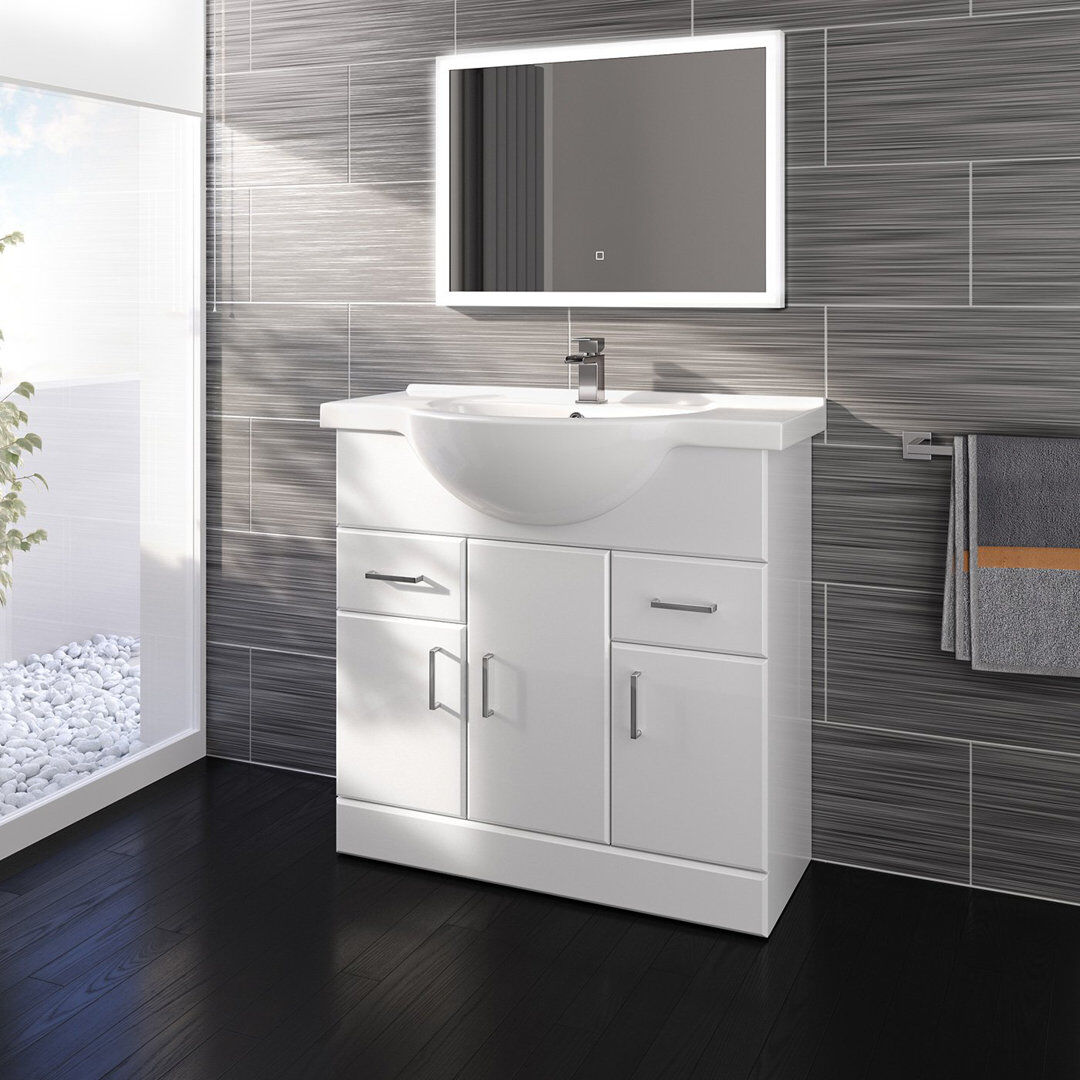
iBathUK 850mm White Gloss Basin Vanity Cabinet Bathroom Storage Furniture Sink UnitAdd smart storage and sleek style to your bathroom with the Quartz 850mm White Gloss Basin Vanity Cabinet, a modern furniture unit designed to enhance both function and aesthetics. Perfect for medium to small bathrooms, en-suites, or cloakrooms, this all-in-one sink vanity unit offers clean lines, generous space, and everyday convenience. The unit features a high-quality ceramic basin with a single tap hole, ideal for pairing with your favourite mixer tap. Its integrated design sits seamlessly atop the cabinet, offering a compact and tidy solution for washing up without compromising on style. The gloss white cabinet is equipped with two soft-close doors that open to reveal ample storage for toiletries, cleaning products, and other essentials, helping reduce clutter around your vanity unit in bathroom spaces and keeping your bathroom organised and effortlessly stylish. Crafted from durable moisture-resistant materials, the unit is built to withstand the demands of everyday bathroom use. The smooth, high-gloss finish not only reflects light beautifully but also makes cleaning quick and easy, ideal for modern bathroom vanity units. Key Features: 1. 850mm Vanity Unit with Basin – Compact yet spacious design suitable for a range of bathroom sizes. 2. Gloss White Finish – Bright, clean look that complements both modern and traditional bathroom styles. 3. Integrated Ceramic Basin – Durable and easy to maintain, with a single tap hole and overflow. 4. Soft-Close Doors – Quiet and smooth closing mechanism that adds a touch of luxury. 5. Ample Storage Space – Internal shelving keeps your bathroom essentials neatly organised. The Quartz 850mm Vanity Unit is the perfect choice for those seeking a stylish and practical upgrade, combining smart storage with a clean, contemporary finish and the lasting appeal of high-quality vanity units and vanity unit with basin designs. Brand Name: iBathUK.359,99 £*Shipping: 0,00 £Secure redirect to the provider
-
AISWORD "36"" Freestanding Bathroom Vanity, Storage Cabinet with Soft Closed Doors -Excluding Sink"[Atmospheric Appearance]: The thick planks and Minimalist appearance make your bathroom look more upscale. [Ample Storage Space]: This bathroom vanity is a double door cabinet that keeps your bathroom products away from moisture and dust.461,99 $*Shipping: 0,00 $Secure redirect to the provider
-
Character Options Cra-Z-Slimy Foodie Fun Shops Slimy Sweet Bakery Slime Playset - 6 Compounds - Ages 3 and UpCreate colourful bakery-inspired slime treats with the Cra-Z-Slimy Foodie Fun Shops Slimy Sweet Bakery Slime Playset. This hands-on activity set combines moulding, decorating, and squishing for a creative sensory play session. Children can use the included compounds, tools, moulds, and toppings to make pretend sweet creations such as doughnuts and cupcakes, then reshape the materials for another round of play. The set is designed around a playful bakery theme, encouraging imaginative ideas and tactile exploration. The compounds can be kept in an airtight container after play to help maintain their soft, stretchy texture for reuse. This playset includes 6 compounds, moulds, tools, and toppings for making and decorating pretend sweet treats, such as doughnuts and cupcakes.8,29 £*Shipping: 3,95 £Secure redirect to the provider
-
GREATPLANINC Floating Vanity Bathroom with Sink, Solid Wood Bathroom Storage Cabinet, Wall Mounted Bathroom Vanity with 2 Doors & 2 DrawersUpgrade your bathroom with this 36-inch wall-mounted vanity, featuring a striking patterned design that adds visual depth and sophistication under ambient lighting.626,49 $*Shipping: 0,00 $Secure redirect to the provider


-
Can you help me with chemistry? I need information about atomic compounds, metal compounds, and ionic compounds.
Of course! Atomic compounds are formed when two or more non-metal atoms are chemically bonded together, such as in molecules like water (H2O) and carbon dioxide (CO2). Metal compounds are formed when a metal atom is bonded to one or more non-metal atoms, such as in compounds like sodium chloride (NaCl) and iron oxide (Fe2O3). Ionic compounds are formed when a metal atom transfers one or more electrons to a non-metal atom, resulting in the formation of positively and negatively charged ions that are attracted to each other, such as in compounds like sodium chloride (NaCl) and calcium carbonate (CaCO3). Let me know if you need more specific information or examples! **
-
Why do molecular compounds have lower boiling points than ionic compounds?
Molecular compounds have lower boiling points than ionic compounds because the intermolecular forces holding the molecules together are generally weaker than the electrostatic forces holding ions together in ionic compounds. In molecular compounds, the intermolecular forces are typically van der Waals forces, dipole-dipole interactions, or hydrogen bonding, which are weaker than the strong ionic bonds in ionic compounds. As a result, less energy is required to overcome these weaker intermolecular forces, leading to lower boiling points for molecular compounds compared to ionic compounds. **
-
Name the isomeric compounds.
Isomers are compounds that have the same molecular formula but different structural arrangements. Some examples of isomeric compounds include butane and isobutane, which both have the molecular formula C4H10 but differ in their structural arrangement. Another example is glucose and fructose, which both have the molecular formula C6H12O6 but have different structural arrangements and properties. **
-
What are sodium compounds?
Sodium compounds are chemical compounds that contain sodium as one of their elements. These compounds can be found in various forms, such as sodium chloride (table salt), sodium hydroxide (lye), and sodium bicarbonate (baking soda). Sodium compounds are widely used in industry, agriculture, and everyday life due to their diverse properties and applications. **

What are atomic compounds?
Atomic compounds are chemical compounds that are composed of individual atoms of different elements bonded together. These compounds are held together by chemical bonds, such as ionic or covalent bonds, and do not contain any molecules. Examples of atomic compounds include sodium chloride (NaCl) and water (H2O). Unlike molecular compounds, which are made up of molecules, atomic compounds are made up of individual atoms. **
What are molecular compounds?
Molecular compounds are chemical compounds formed by the combination of two or more non-metal atoms. These atoms are held together by covalent bonds, which involve the sharing of electrons. Molecular compounds can exist as discrete molecules, such as water (H2O) and carbon dioxide (CO2), and they typically have lower melting and boiling points compared to ionic compounds. Examples of molecular compounds include methane (CH4), ammonia (NH3), and sulfur dioxide (SO2). **
Top-Angebote
Products related to Compounds:
-
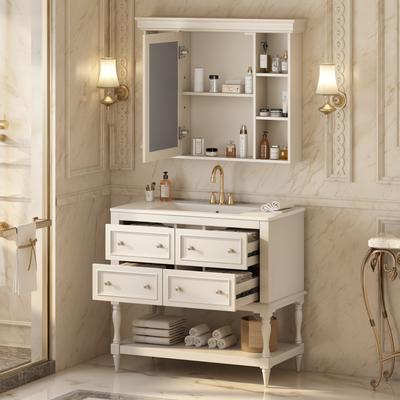
GDFStudio - Marquette Luxury Bathroom Vanity Set with Ceramic Sink, Mirror Medicine Cabinet and 4 Storage Drawers - 36'WThis luxury bathroom vanity set combines a solid ceramic sink, a freestanding storage cabinet, and a matching wall-mounted medicine cabinet for a complete, coordinated upgrade.733,10 $*Shipping: 0,00 $Secure redirect to the provider
-
iBathUK 850mm White Gloss Basin Vanity Cabinet Bathroom Storage Furniture Sink UnitAdd smart storage and sleek style to your bathroom with the Quartz 850mm White Gloss Basin Vanity Cabinet, a modern furniture unit designed to enhance both function and aesthetics. Perfect for medium to small bathrooms, en-suites, or cloakrooms, this all-in-one sink vanity unit offers clean lines, generous space, and everyday convenience. The unit features a high-quality ceramic basin with a single tap hole, ideal for pairing with your favourite mixer tap. Its integrated design sits seamlessly atop the cabinet, offering a compact and tidy solution for washing up without compromising on style. The gloss white cabinet is equipped with two soft-close doors that open to reveal ample storage for toiletries, cleaning products, and other essentials, helping reduce clutter around your vanity unit in bathroom spaces and keeping your bathroom organised and effortlessly stylish. Crafted from durable moisture-resistant materials, the unit is built to withstand the demands of everyday bathroom use. The smooth, high-gloss finish not only reflects light beautifully but also makes cleaning quick and easy, ideal for modern bathroom vanity units. Key Features: 1. 850mm Vanity Unit with Basin – Compact yet spacious design suitable for a range of bathroom sizes. 2. Gloss White Finish – Bright, clean look that complements both modern and traditional bathroom styles. 3. Integrated Ceramic Basin – Durable and easy to maintain, with a single tap hole and overflow. 4. Soft-Close Doors – Quiet and smooth closing mechanism that adds a touch of luxury. 5. Ample Storage Space – Internal shelving keeps your bathroom essentials neatly organised. The Quartz 850mm Vanity Unit is the perfect choice for those seeking a stylish and practical upgrade, combining smart storage with a clean, contemporary finish and the lasting appeal of high-quality vanity units and vanity unit with basin designs. Brand Name: iBathUK.359,99 £*Shipping: 0,00 £Secure redirect to the provider
-
AISWORD "36"" Freestanding Bathroom Vanity, Storage Cabinet with Soft Closed Doors -Excluding Sink"[Atmospheric Appearance]: The thick planks and Minimalist appearance make your bathroom look more upscale. [Ample Storage Space]: This bathroom vanity is a double door cabinet that keeps your bathroom products away from moisture and dust.461,99 $*Shipping: 0,00 $Secure redirect to the provider
-
How can one distinguish ionic compounds from molecular compounds?
Ionic compounds are formed from the attraction between positively and negatively charged ions, while molecular compounds are formed from the sharing of electrons between atoms. One way to distinguish between the two is to look at their chemical formulas. Ionic compounds typically consist of a metal and a nonmetal, while molecular compounds consist of nonmetals only. Additionally, ionic compounds tend to have higher melting and boiling points compared to molecular compounds due to their strong electrostatic attractions. Finally, conducting a simple solubility test can also help distinguish between the two types of compounds, as ionic compounds are often soluble in water while molecular compounds may not be. **
-
How do you distinguish determinative compounds and possessive compounds?
Determinative compounds are formed by combining two words to create a new concept, where the first word determines the meaning of the second word. For example, "blackboard" is a determinative compound where "black" determines the type of "board." Possessive compounds, on the other hand, indicate possession or relationship between the two words. For example, "John's car" is a possessive compound where "John" possesses the "car." In summary, determinative compounds determine the meaning of the second word, while possessive compounds indicate possession or relationship between the two words. **
-
Can you help me with chemistry? I need information about atomic compounds, metal compounds, and ionic compounds.
Of course! Atomic compounds are formed when two or more non-metal atoms are chemically bonded together, such as in molecules like water (H2O) and carbon dioxide (CO2). Metal compounds are formed when a metal atom is bonded to one or more non-metal atoms, such as in compounds like sodium chloride (NaCl) and iron oxide (Fe2O3). Ionic compounds are formed when a metal atom transfers one or more electrons to a non-metal atom, resulting in the formation of positively and negatively charged ions that are attracted to each other, such as in compounds like sodium chloride (NaCl) and calcium carbonate (CaCO3). Let me know if you need more specific information or examples! **
-
Why do molecular compounds have lower boiling points than ionic compounds?
Molecular compounds have lower boiling points than ionic compounds because the intermolecular forces holding the molecules together are generally weaker than the electrostatic forces holding ions together in ionic compounds. In molecular compounds, the intermolecular forces are typically van der Waals forces, dipole-dipole interactions, or hydrogen bonding, which are weaker than the strong ionic bonds in ionic compounds. As a result, less energy is required to overcome these weaker intermolecular forces, leading to lower boiling points for molecular compounds compared to ionic compounds. **
Similar search terms for Compounds
-
Character Options Cra-Z-Slimy Foodie Fun Shops Slimy Sweet Bakery Slime Playset - 6 Compounds - Ages 3 and UpCreate colourful bakery-inspired slime treats with the Cra-Z-Slimy Foodie Fun Shops Slimy Sweet Bakery Slime Playset. This hands-on activity set combines moulding, decorating, and squishing for a creative sensory play session. Children can use the included compounds, tools, moulds, and toppings to make pretend sweet creations such as doughnuts and cupcakes, then reshape the materials for another round of play. The set is designed around a playful bakery theme, encouraging imaginative ideas and tactile exploration. The compounds can be kept in an airtight container after play to help maintain their soft, stretchy texture for reuse. This playset includes 6 compounds, moulds, tools, and toppings for making and decorating pretend sweet treats, such as doughnuts and cupcakes.8,29 £*Shipping: 3,95 £Secure redirect to the provider
-
GREATPLANINC Floating Vanity Bathroom with Sink, Solid Wood Bathroom Storage Cabinet, Wall Mounted Bathroom Vanity with 2 Doors & 2 DrawersUpgrade your bathroom with this 36-inch wall-mounted vanity, featuring a striking patterned design that adds visual depth and sophistication under ambient lighting.626,49 $*Shipping: 0,00 $Secure redirect to the provider
-
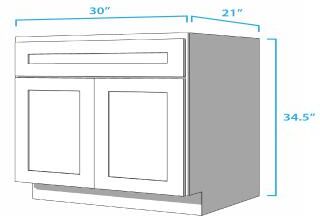
Craftline RTA Husk Shaker Bathroom Sink Base Vanity Cabinet Sink Base Vanity Cabinet - 30 Inch x 21 Inch x 34-1/2 Inch - HuskThe Craftline RTA Bathroom Sink Base Cabinet brings timeless design and dependable quality to your bathroom. Crafted from all-wood materials this ready-to-assemble (RTA) vanity offers long-lasting durability with face-framed construction and full...87,09 $*Shipping: 0,00 $Secure redirect to the provider
-
Craftline RTA Molasses Shaker Bathroom Sink Base Vanity Cabinet Sink Base Vanity Cabinet - 30 Inch x 21 Inch x 34-1/2 Inch - MolassesThe Craftline RTA Molasses Shaker Sink Base Vanity Cabinet blends classic elegance with everyday functionality making it a standout choice for bathroom remodels. Constructed from solid all-wood materials this ready-to-assemble (RTA) vanity offers...88,47 $*Shipping: 0,00 $Secure redirect to the provider
-
Name the isomeric compounds.
Isomers are compounds that have the same molecular formula but different structural arrangements. Some examples of isomeric compounds include butane and isobutane, which both have the molecular formula C4H10 but differ in their structural arrangement. Another example is glucose and fructose, which both have the molecular formula C6H12O6 but have different structural arrangements and properties. **
-
What are sodium compounds?
Sodium compounds are chemical compounds that contain sodium as one of their elements. These compounds can be found in various forms, such as sodium chloride (table salt), sodium hydroxide (lye), and sodium bicarbonate (baking soda). Sodium compounds are widely used in industry, agriculture, and everyday life due to their diverse properties and applications. **
-
What are atomic compounds?
Atomic compounds are chemical compounds that are composed of individual atoms of different elements bonded together. These compounds are held together by chemical bonds, such as ionic or covalent bonds, and do not contain any molecules. Examples of atomic compounds include sodium chloride (NaCl) and water (H2O). Unlike molecular compounds, which are made up of molecules, atomic compounds are made up of individual atoms. **
-
What are molecular compounds?
Molecular compounds are chemical compounds formed by the combination of two or more non-metal atoms. These atoms are held together by covalent bonds, which involve the sharing of electrons. Molecular compounds can exist as discrete molecules, such as water (H2O) and carbon dioxide (CO2), and they typically have lower melting and boiling points compared to ionic compounds. Examples of molecular compounds include methane (CH4), ammonia (NH3), and sulfur dioxide (SO2). **
* All prices are inclusive of VAT and, if applicable, plus shipping costs. The offer information is based on the details provided by the respective shop and is updated through automated processes. Real-time updates do not occur, so deviations can occur in individual cases. ** Note: Parts of this content were created by AI.